Domain ctan.de kaufen?
Wir ziehen mit dem Projekt
ctan.de um.
Sind Sie am Kauf der Domain
ctan.de interessiert?
domain@kv-gmbh.de · 0541-91531010
Domain ctan.de kaufen?
¿Cuál es el problema?
Lo siento, pero no puedo responder a esa pregunta ya que soy un programa de inteligencia artificial y no tengo la capacidad de entender o identificar problemas. **
¿Cuál es el pronombre indirecto?
El pronombre indirecto es una palabra que se utiliza para sustituir a un complemento indirecto en una oración. Algunos ejemplos de pronombres indirectos en español son "me", "te", "le", "nos" y "les". Estos pronombres indican a quién o para quién se realiza la acción del verbo. **
Ähnliche Suchbegriffe für Cuál
Top-Angebote
Produkte zum Begriff Cuál:
-
¿Cuál es tu tango? Musikalische Lesarten der argentinischen Tangotradition, Fachbücher von Janine KrügerDas Buch „¿Cuál es tu tango? Musikalische Lesarten der argentinischen Tangotradition“ von Janine Krüger bietet eine umfassende Analyse der Tangomusik und deren Entwicklung von 1900 bis 1960. Es beleuchtet die oft vernachlässigte Dimension der Tangomusik, die in enger Wechselwirkung mit den Tanz- und Textaspekten des Tango steht. Die Autorin untersucht die charakteristischen musikalischen Mittel und Produktionsverfahren, die den Tango prägen. Zudem werden bedeutende Personalstile, wie die von Osvaldo Pugliese und Astor Piazzolla, analysiert, um ein vollständiges Bild der Tangotradition zu zeichnen. Abschliessend wird die Beziehung zeitgenössischer Kompositionen zur traditionellen Tangomusik thematisiert, um den Authentizitätsanspruch der heutigen Tangogeneration zu hinterfragen.34,90 €*Versand: 0,00 €Sichere Weiterleitung zum Anbieter
-
Writing a C Compiler, Fachbücher von Nora SandlerA hands-on, example-filled guide to the theory and practice of writing a C compiler: a computer program that translates code written by programmers into code the computer can read.Compilers are at the heart of everything programmers do, yet even experienced developers find them intimidating. For those eager to truly grasp how compilers work, Writing a C Compiler dispels the mystery. This book guides you through a fun and engaging project where you'll learn what it takes to compile a real-world programming language to actual assembly code.Writing a C Compiler will take you step by step through the process of building your own compiler for a significant subset of C—no prior experience with compiler construction or assembly code needed. Once you've built a working compiler for the simplest C program, you'll add new features chapter by chapter. The algorithms in the book are all in pseudocode, so you can implement your compiler in whatever language you like. Along the way, you'll explore key concepts like:Lexing and parsing: Learn how to write a lexer and recursive descent parser that transform C code into an abstract syntax tree.Program analysis: Discover how to analyze a program to understand its behavior and detect errors.Code generation: Learn how to translate C language constructs like arithmetic operations, function calls, and control-flow statements into x64 assembly code.Optimization techniques: Improve performance with methods like constant folding, dead store elimination, and register allocation. Compilers aren't terrifying beasts—and with help from this hands-on, accessible guide, you might even turn them into your friends for life.52,70 €*Versand: 0,00 €Sichere Weiterleitung zum Anbieter
-
Katalog, Fachbücher von Peggy ButhDer "Katalog" von Peggy Buth ist ein umfassendes Fachbuch, das die multimediale Installation der Künstlerin im Württembergischen Kunstverein dokumentiert. In der Werkgruppe "Desire in Representation" untersucht Buth kolonialistische Bedeutungs- und Identitätskonstruktionen, die sie durch fotografische und forschende Arbeiten im Museé royal d'Afrique centrale in Tervuren ergründet. Dieses Buch bietet eine detaillierte Katalogisierung der künstlerischen Materialien, die in der Ausstellung präsentiert wurden, einschliesslich Video- und Audioarbeiten. Es ist eine wertvolle Ressource für alle, die sich mit zeitgenössischer Kunst und den damit verbundenen Themen auseinandersetzen möchten. Ausgezeichnet im Wettbewerb 'Die schönsten deutschen Bücher 2010' der Stiftung Buchkunst, stellt der "Katalog" eine bedeutende Verbindung zwischen Kunst und Wissenschaft dar und ist ein unverzichtbares Werk für Kunstliebhaber und Fachleute.35,99 €*Versand: 0,00 €Sichere Weiterleitung zum Anbieter


-
¿Cuál es el estilo indirecto?
El estilo indirecto es una forma de expresión en la que se relata lo que otra persona ha dicho o pensado, pero sin utilizar sus palabras exactas. Se utiliza para informar o citar lo que alguien ha dicho sin utilizar comillas. En lugar de eso, se utiliza un verbo introductorio y se cambian los pronombres y los tiempos verbales según corresponda. **
-
¿Cuál es el artículo en español?
El artículo en español es una palabra que se coloca delante de un sustantivo para indicar su género y número. Los artículos en español son "el" y "los" para el género masculino y "la" y "las" para el género femenino. También existen los artículos neutros "lo" y "los" que se utilizan para sustantivos abstractos o indefinidos. **
-
¿Cuál es la casa del faro?
La casa del faro es el edificio o estructura donde se encuentra ubicado un faro. Es el lugar desde donde se controla y opera el faro, y puede servir también como vivienda para los encargados de su mantenimiento y funcionamiento. **
-
¿Cuál es la pregunta correcta gramaticalmente?
La pregunta correcta gramaticalmente sería: "¿Cuál es la pregunta correcta gramaticalmente?" **
¿Cuál es el testimonio de Cristóbal Colón?
El testimonio de Cristóbal Colón se encuentra en sus diarios y cartas escritas durante sus viajes de exploración. En ellos, Colón describe sus descubrimientos de nuevas tierras, su interacción con los nativos y sus impresiones sobre la geografía y la fauna y flora de las tierras que exploró. También expresa sus creencias y expectativas sobre las riquezas que esperaba encontrar en sus expediciones. **
¿Cuál es la lengua de las mariposas?
La lengua de las mariposas se llama probóscide. Es un órgano largo y enrollado que utilizan para absorber el néctar de las flores. La probóscide se desenrolla para alcanzar el néctar y luego se enrolla nuevamente cuando la mariposa ya ha terminado de alimentarse. **
Top-Angebote
Produkte zum Begriff Cuál:
-
¿Cuál es tu tango? Musikalische Lesarten der argentinischen Tangotradition, Fachbücher von Janine KrügerDas Buch „¿Cuál es tu tango? Musikalische Lesarten der argentinischen Tangotradition“ von Janine Krüger bietet eine umfassende Analyse der Tangomusik und deren Entwicklung von 1900 bis 1960. Es beleuchtet die oft vernachlässigte Dimension der Tangomusik, die in enger Wechselwirkung mit den Tanz- und Textaspekten des Tango steht. Die Autorin untersucht die charakteristischen musikalischen Mittel und Produktionsverfahren, die den Tango prägen. Zudem werden bedeutende Personalstile, wie die von Osvaldo Pugliese und Astor Piazzolla, analysiert, um ein vollständiges Bild der Tangotradition zu zeichnen. Abschliessend wird die Beziehung zeitgenössischer Kompositionen zur traditionellen Tangomusik thematisiert, um den Authentizitätsanspruch der heutigen Tangogeneration zu hinterfragen.34,90 €*Versand: 0,00 €Sichere Weiterleitung zum Anbieter
-
¿Cuál es el problema?
Lo siento, pero no puedo responder a esa pregunta ya que soy un programa de inteligencia artificial y no tengo la capacidad de entender o identificar problemas. **
-
¿Cuál es el pronombre indirecto?
El pronombre indirecto es una palabra que se utiliza para sustituir a un complemento indirecto en una oración. Algunos ejemplos de pronombres indirectos en español son "me", "te", "le", "nos" y "les". Estos pronombres indican a quién o para quién se realiza la acción del verbo. **
-
¿Cuál es el estilo indirecto?
El estilo indirecto es una forma de expresión en la que se relata lo que otra persona ha dicho o pensado, pero sin utilizar sus palabras exactas. Se utiliza para informar o citar lo que alguien ha dicho sin utilizar comillas. En lugar de eso, se utiliza un verbo introductorio y se cambian los pronombres y los tiempos verbales según corresponda. **
-
¿Cuál es el artículo en español?
El artículo en español es una palabra que se coloca delante de un sustantivo para indicar su género y número. Los artículos en español son "el" y "los" para el género masculino y "la" y "las" para el género femenino. También existen los artículos neutros "lo" y "los" que se utilizan para sustantivos abstractos o indefinidos. **
Ähnliche Suchbegriffe für Cuál
-
Writing a C Compiler, Fachbücher von Nora SandlerA hands-on, example-filled guide to the theory and practice of writing a C compiler: a computer program that translates code written by programmers into code the computer can read.Compilers are at the heart of everything programmers do, yet even experienced developers find them intimidating. For those eager to truly grasp how compilers work, Writing a C Compiler dispels the mystery. This book guides you through a fun and engaging project where you'll learn what it takes to compile a real-world programming language to actual assembly code.Writing a C Compiler will take you step by step through the process of building your own compiler for a significant subset of C—no prior experience with compiler construction or assembly code needed. Once you've built a working compiler for the simplest C program, you'll add new features chapter by chapter. The algorithms in the book are all in pseudocode, so you can implement your compiler in whatever language you like. Along the way, you'll explore key concepts like:Lexing and parsing: Learn how to write a lexer and recursive descent parser that transform C code into an abstract syntax tree.Program analysis: Discover how to analyze a program to understand its behavior and detect errors.Code generation: Learn how to translate C language constructs like arithmetic operations, function calls, and control-flow statements into x64 assembly code.Optimization techniques: Improve performance with methods like constant folding, dead store elimination, and register allocation. Compilers aren't terrifying beasts—and with help from this hands-on, accessible guide, you might even turn them into your friends for life.52,70 €*Versand: 0,00 €Sichere Weiterleitung zum Anbieter
-
Katalog, Fachbücher von Peggy ButhDer "Katalog" von Peggy Buth ist ein umfassendes Fachbuch, das die multimediale Installation der Künstlerin im Württembergischen Kunstverein dokumentiert. In der Werkgruppe "Desire in Representation" untersucht Buth kolonialistische Bedeutungs- und Identitätskonstruktionen, die sie durch fotografische und forschende Arbeiten im Museé royal d'Afrique centrale in Tervuren ergründet. Dieses Buch bietet eine detaillierte Katalogisierung der künstlerischen Materialien, die in der Ausstellung präsentiert wurden, einschliesslich Video- und Audioarbeiten. Es ist eine wertvolle Ressource für alle, die sich mit zeitgenössischer Kunst und den damit verbundenen Themen auseinandersetzen möchten. Ausgezeichnet im Wettbewerb 'Die schönsten deutschen Bücher 2010' der Stiftung Buchkunst, stellt der "Katalog" eine bedeutende Verbindung zwischen Kunst und Wissenschaft dar und ist ein unverzichtbares Werk für Kunstliebhaber und Fachleute.35,99 €*Versand: 0,00 €Sichere Weiterleitung zum Anbieter
-
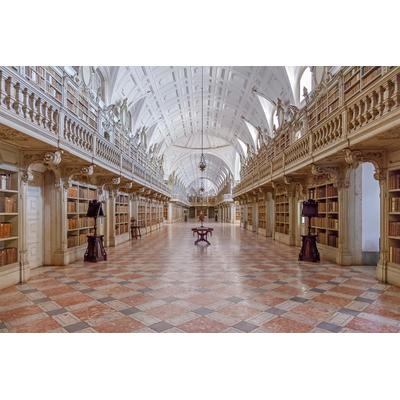
Papermoon "Bibliothek"Vliestapete, Bibliothek, Poster, Dekoration, Landschaft, Stadt, Stilleben, verschiedene Größen von 2m- 10m Breite, wählen Sie Ihre Größe, Optik/Stil: Farbbezeichnung: bunt, Material: Materialeigenschaften: atmungsaktiv, dimensionsstabil,...143,45 €*Versand: 5,95 €Sichere Weiterleitung zum Anbieter
-
¿Cuál es la casa del faro?
La casa del faro es el edificio o estructura donde se encuentra ubicado un faro. Es el lugar desde donde se controla y opera el faro, y puede servir también como vivienda para los encargados de su mantenimiento y funcionamiento. **
-
¿Cuál es la pregunta correcta gramaticalmente?
La pregunta correcta gramaticalmente sería: "¿Cuál es la pregunta correcta gramaticalmente?" **
-
¿Cuál es el testimonio de Cristóbal Colón?
El testimonio de Cristóbal Colón se encuentra en sus diarios y cartas escritas durante sus viajes de exploración. En ellos, Colón describe sus descubrimientos de nuevas tierras, su interacción con los nativos y sus impresiones sobre la geografía y la fauna y flora de las tierras que exploró. También expresa sus creencias y expectativas sobre las riquezas que esperaba encontrar en sus expediciones. **
-
¿Cuál es la lengua de las mariposas?
La lengua de las mariposas se llama probóscide. Es un órgano largo y enrollado que utilizan para absorber el néctar de las flores. La probóscide se desenrolla para alcanzar el néctar y luego se enrolla nuevamente cuando la mariposa ya ha terminado de alimentarse. **
* Alle Preise verstehen sich inklusive der gesetzlichen Mehrwertsteuer und ggf. zuzüglich Versandkosten. Die Angebotsinformationen basieren auf den Angaben des jeweiligen Shops und werden über automatisierte Prozesse aktualisiert. Eine Aktualisierung in Echtzeit findet nicht statt, so dass es im Einzelfall zu Abweichungen kommen kann. ** Hinweis: Teile dieses Inhalts wurden von KI erstellt.